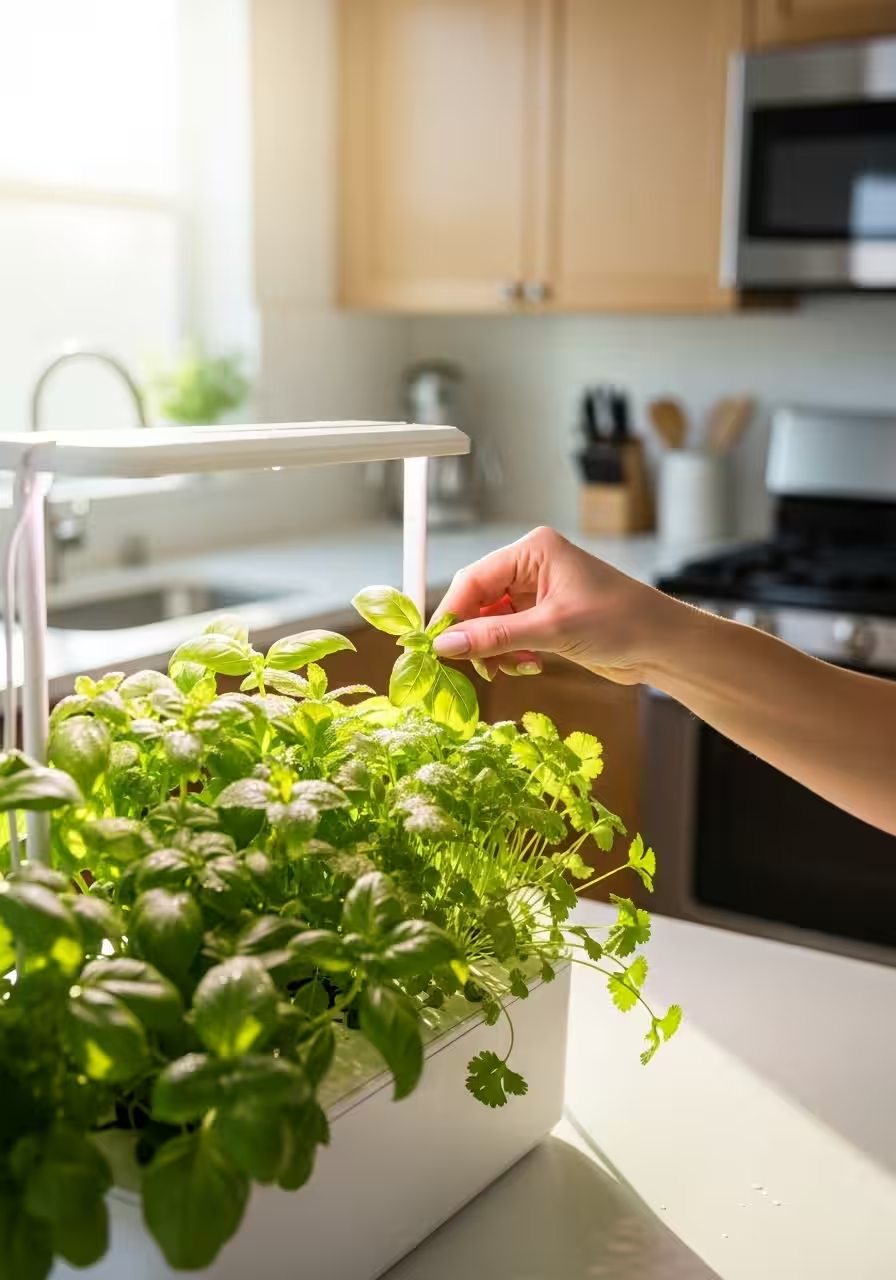
From Counter to Plate in 30 Seconds
Imagine plucking fresh basil leaves for your pasta sauce without stepping outside. No garden needed. No soil under your fingernails. Just reach across your kitchen counter, snip a few sprigs, and return to your stove before the garlic even finishes sizzling. This is the promise of indoor hydroponic gardening—hyper-local, farm-to-table food that grows right where you cook.
Welcome to the future of home gardening, where a sunny windowsill is optional and fresh herbs are a year-round guarantee.
The Apartment Farmer’s Revolution
For decades, growing your own food meant having a backyard, a green thumb, and the patience to deal with weather, pests, and seasons that don’t cooperate. But indoor hydroponic systems have demolished those barriers. Whether you live in a studio apartment in Manhattan or a condo in Seattle, you can now cultivate a thriving garden in less space than a coffee maker occupies.
The technology isn’t exactly new—NASA has been researching hydroponics for space missions since the 1990s—but what is new is how accessible and foolproof these systems have become for everyday people. Systems like the AeroGarden have transformed hydroponic gardening from a hobbyist’s science experiment into something as simple as brewing coffee.
Why Hydroponics Works (And Why You’ll Love It)
Hydroponics is the practice of growing plants without soil, using nutrient-rich water instead. While that might sound complicated, modern indoor systems handle all the complexity for you. Here’s why this method is taking over kitchen counters everywhere:
It’s faster. Hydroponic plants grow up to 25% faster than their soil-based counterparts because their roots have direct access to nutrients and oxygen. That basil plant? Ready to harvest in as little as three weeks.
It’s cleaner. No dirt means no mess. No weeding. No worrying about overwatering or underwatering. The system does the watering for you on a precise schedule.
It works anywhere. No outdoor space? No problem. No natural light? Many systems come with built-in full-spectrum LED grow lights that mimic the sun. You could grow lettuce in a windowless basement if you wanted to.
It’s productive. Because you control every variable—light, nutrients, water—plants thrive in ways they rarely do in traditional gardens. You’ll harvest more from a compact countertop system than you ever did from that neglected herb pot on your fire escape.
The AeroGarden Effect: Making It Ridiculously Easy
The AeroGarden has become something of a gateway drug for indoor gardening enthusiasts, and for good reason. These sleek, pod-based systems remove virtually every obstacle between you and fresh food. You insert pre-seeded pods into the machine, add water and liquid nutrients, and press a button. The system’s built-in lights turn on and off automatically, the pump aerates the water, and within days, you see sprouts.
The company offers models ranging from compact 3-pod systems (perfect for a small apartment) to sprawling 24-pod gardens that can feed a family. You can grow classic Italian herbs, spicy peppers, cherry tomatoes, salad greens, edible flowers, and even strawberries. The variety is staggering.
But AeroGarden isn’t alone. Competitors like Click & Grow, iDOO, and Rise Gardens offer their own takes on the concept, each with unique features. Some focus on minimalist Scandinavian design, others on maximum yield, and still others on smartphone connectivity that lets you monitor your garden remotely.
What You Can Actually Grow
Let’s be realistic: you’re not going to grow corn or watermelons on your kitchen counter. But the range of what you can grow is impressive and practical.
Herbs are the obvious starting point. Basil, cilantro, parsley, thyme, mint, dill—all the expensive little plastic clamshells you buy at the grocery store and watch wilt in your fridge. Instead, harvest exactly what you need, when you need it. The flavor difference between fresh-cut herbs and store-bought is night and day.
Salad greens are another home run. Lettuce, arugula, kale, and spinach grow quickly and continuously. You can practice “cut and come again” harvesting, snipping outer leaves while the plant keeps producing. One compact system can provide enough salad greens for two people indefinitely.
Tomatoes and peppers require larger systems but are absolutely doable. Cherry tomatoes, in particular, are prolific in hydroponic setups. There’s something deeply satisfying about harvesting sun-warm (LED-warm?) tomatoes in February.
Microgreens have exploded in popularity among indoor gardeners. These nutrient-dense baby plants—think pea shoots, radish greens, and sunflower sprouts—are ready to harvest in 1-2 weeks and command premium prices at restaurants and farmers markets.
The Real Benefits: Beyond the Basil
Yes, the herbs are great. But the real transformation happens when you realize what indoor hydroponic gardening represents.
Food security in uncertain times. Supply chain disruptions, inflation, recalls—when grocery stores feel less reliable, having a source of fresh food at home provides genuine peace of mind. It’s not about prepping for doomsday; it’s about resilience.
Teaching kids where food comes from. Children who grow up in cities often have no connection to agriculture. An indoor garden is a living science lesson. Kids learn about plant biology, responsibility, patience, and nutrition—all from a glowing box on the counter.
Mental health wins. Multiple studies have shown that tending to plants reduces stress and anxiety. Even the simple act of checking on your garden in the morning becomes a calming ritual. Plus, there’s genuine joy in eating something you grew yourself, even if it’s just garnish for your tacos.
Environmental impact. While hydroponics does use electricity (those LED lights aren’t free), the water efficiency is remarkable—hydroponic systems use up to 90% less water than traditional soil gardening. And by growing food at home, you eliminate the carbon footprint of transportation, refrigeration, and packaging.
Getting Started: What You Need to Know
If you’re tempted to try indoor hydroponic gardening, here’s the honest truth about what to expect.
Initial investment: Expect to spend $100-$300 for a quality starter system. That might seem steep, but compare it to buying fresh herbs at $3-$5 per package weekly. Most people break even within a few months.
Maintenance: It’s low, but it’s not zero. You’ll need to refill water every week or two, add nutrients, and occasionally prune plants. Think of it as caring for a very rewarding houseplant.
Electricity costs: LED grow lights are efficient, but they do run 12-16 hours daily. Expect an extra $5-$15 per month on your electricity bill, depending on your system size.
Learning curve: Minimal. Most systems are designed for complete beginners. You’ll learn as you go, but catastrophic failure is rare. The worst-case scenario is usually “my basil got leggy because I didn’t prune it enough”—easily fixed next time.
Space: Most countertop systems need about 12-18 inches of space and access to an electrical outlet. Larger systems might require dedicated shelf space or a corner of your kitchen.
The Future on Your Counter
Indoor hydroponic gardening represents something bigger than just a trendy appliance. It’s part of a broader shift toward self-sufficiency, sustainability, and a desire to reconnect with our food sources. In an increasingly urbanized world where most people have never planted a seed, these systems offer a gentle on-ramp to growing your own food.
Is it going to replace your weekly grocery run? Of course not. But it will change how you cook, how you think about freshness, and maybe even how you see that empty corner of your kitchen counter.
That’s the magic of having a farm-to-table garden that’s literally on your table. The distance from plant to plate isn’t measured in miles—it’s measured in arm’s length. And once you’ve experienced that kind of fresh, you’ll wonder how you ever lived without it.
Ready to start growing? Your counter is waiting.
Have you tried indoor hydroponic gardening? What’s growing in your kitchen right now? Share your experiences in the comments below.
Leave a Reply